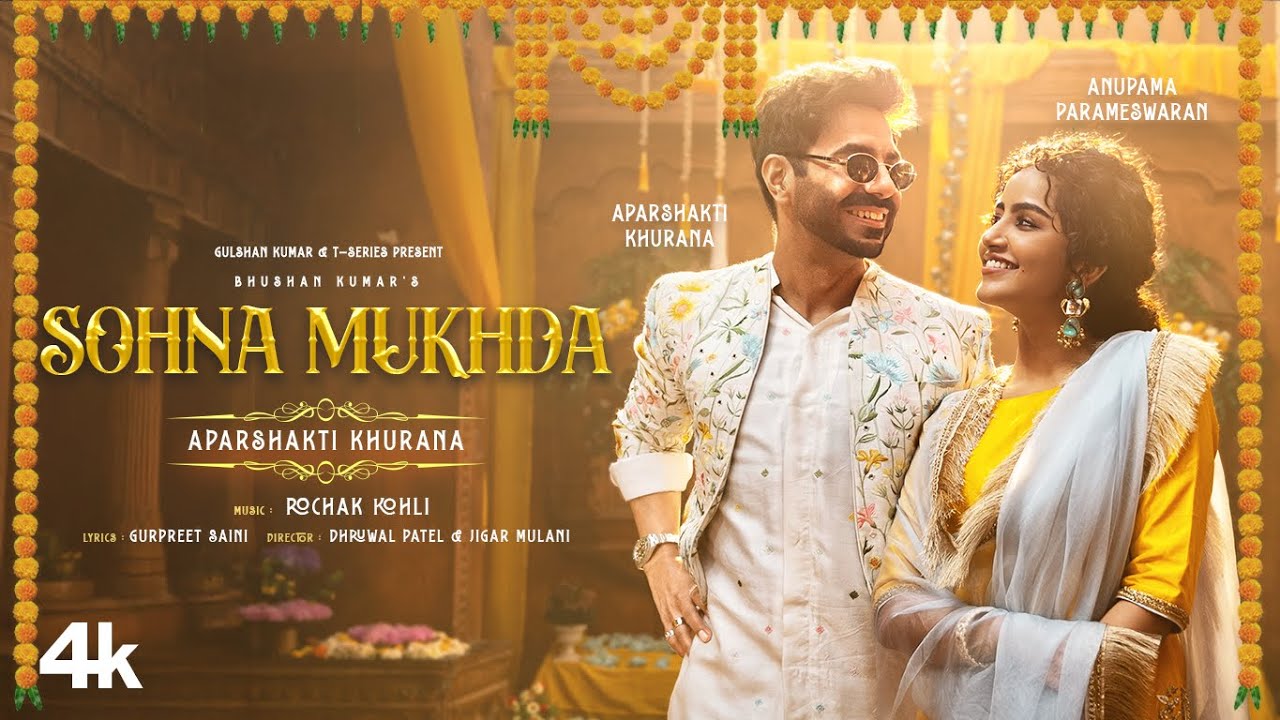
Sona mukhda mukhda sona
Ve sona mukhda mukhda sona
O sona mukhda
Dilda tukda jaadu giriya karda hai
Waise ta dil sher bada par tere utte marda hai
Sona mukhda dil da tukda
Jaadu giriya karda hai
Waise ta dil sher bada par tere utte marda hai
Sona mukhda mukhda sona
Ve sona mukhda mukhda sona
O sona mukhda
Zulf teri kit bikhra na jaave naal hawaawa ladta hai
Waise ta dil sher bada par tere utte marda hai
O saari duniya rakhia main apne pairan thale nahi par tere pairan de
Peeche pair mere ta chalene
Tu na dise jis din saanu akhiya paani pda
Hai waise ta dil sher bada par tere utte marda hai
Sona mukhda dilda tukda jaadu
Giriya karda hai waise na dil sher bada par tere utte marda hai
Sona mukhda mukhda
Oye sona mukhda
Mukhda sona oye
Najra teri kyal
Kitay najra teri kyal kita shehar da gabru
Shayar kita tub vich rakh bade dina da ekna
Kudiyan fire kita padiya rehda duniya naal
Main tere naal mithiya galani shehar tere di
Sair karawa chauffeur ban ke chalani
Chamki lete nachan
Wala Mirza Ghalib padata hai waise ta dil
Sher bada par tere utte marda hai
O sona mukhda dilda khada jaadu giriya karda hai
Waise na dil sher bada par tere utte marda hai
Haan tere utte marda hai
O tere utte marda hai
Sachchi marda hai tere utte nahi
Nahi aap nahi sorry didi white suit ya haan.
ਸੋਨਾ ਮੁਖੜਾ ਮੁਖੜਾ ਸੋਨਾ
ਵੇ ਸੋਨਾ ਮੁਖੜਾ ਮੁਖੜਾ ਸੋਨਾ
ਓ ਸੋਨਾ ਮੁਖੜਾ
ਦਿਲ ਦਾ ਟੁਕੜਾ ਜਾਦੂ ਗਿਰਿਆ ਕਰਦਾ ਹੈ
ਵੈਸੇ ਤਾਂ ਦਿਲ ਸ਼ੇਰ ਵੱਡਾ ਪਰ ਤੇਰੇ ਉੱਤੇ ਮਰਦਾ ਹੈ
ਸੋਨਾ ਮੁਖੜਾ ਦਿਲ ਦਾ ਟੁਕੜਾ
ਜਾਦੂ ਗਿਰਿਆ ਕਰਦਾ ਹੈ
ਵੈਸੇ ਤਾਂ ਦਿਲ ਸ਼ੇਰ ਵੱਡਾ ਪਰ ਤੇਰੇ ਉੱਤੇ ਮਰਦਾ ਹੈ
ਸੋਨਾ ਮੁਖੜਾ ਮੁਖੜਾ ਸੋਨਾ
ਵੇ ਸੋਨਾ ਮੁਖੜਾ ਮੁਖੜਾ ਸੋਨਾ
ਓ ਸੋਨਾ ਮੁਖੜਾ
ਜ਼ੁਲਫ਼ ਤੇਰੀ ਕਿਤ ਬਿਖਰ ਨਾ ਜਾਵੇ
ਨਾਲ ਹਵਾਵਾਂ ਲੜਦਾ ਹੈ
ਵੈਸੇ ਤਾਂ ਦਿਲ ਸ਼ੇਰ ਵੱਡਾ ਪਰ ਤੇਰੇ ਉੱਤੇ ਮਰਦਾ ਹੈ
ਓ ਸਾਰੀ ਦੁਨੀਆ ਰੱਖਿਆ
ਮੈਂ ਆਪਣੇ ਪੈਰਾਂ ਥੱਲੇ ਨਹੀਂ
ਪਰ ਤੇਰੇ ਪੈਰਾਂ ਦੇ
ਪੀਛੇ ਪੈਰ ਮੇਰੇ ਤਾ ਚਲਣੇ
ਤੂੰ ਨਾ ਦਿੱਸੇ ਜਿਸ ਦਿਨ ਸਾਨੂੰ ਅੱਖੀਆਂ ਪਾਣੀ ਪੈਦਾ
ਹੈ ਵੈਸੇ ਤਾਂ ਦਿਲ ਸ਼ੇਰ ਵੱਡਾ ਪਰ ਤੇਰੇ ਉੱਤੇ ਮਰਦਾ ਹੈ
ਸੋਨਾ ਮੁਖੜਾ ਦਿਲ ਦਾ ਟੁਕੜਾ
ਜਾਦੂ ਗਿਰਿਆ ਕਰਦਾ ਹੈ
ਵੈਸੇ ਤਾਂ ਦਿਲ ਸ਼ੇਰ ਵੱਡਾ ਪਰ ਤੇਰੇ ਉੱਤੇ ਮਰਦਾ ਹੈ
ਸੋਨਾ ਮੁਖੜਾ ਮੁਖੜਾ
ਓਇ ਸੋਨਾ ਮੁਖੜਾ
ਮੁਖੜਾ ਸੋਨਾ ਓਇ
ਨਜ਼ਰਾ ਤੇਰੀ ਕਿਆਲ
ਕਿਤੇ ਨਜ਼ਰਾ ਤੇਰੀ ਕਿਆਲ ਕੀਤਾ
ਸ਼ਹਿਰ ਦਾ ਗੱਬਰੂ ਸ਼ਾਇਰ ਕੀਤਾ
ਟਬ ਵਿੱਚ ਰੱਖ ਵੱਡੇ ਦਿਨਾਂ ਦਾ ਇਕ ਨਾ
ਕੁੜੀਆਂ ਫਾਇਰ ਕੀਤਾ
ਪੜਿਆ ਰਹਿੰਦਾ ਦੁਨੀਆ ਨਾਲ
ਮੈਂ ਤੇਰੇ ਨਾਲ ਮਿੱਠੀਆਂ ਗੱਲਾਂ
ਸ਼ਹਿਰ ਤੇਰੇ ਦੀ ਸੈਰ ਕਰਾਵਾਂ
ਸ਼ੋਫਰ ਬਣ ਕੇ ਚਲਾਣੀ
ਚਮਕੀ ਲੇਟੇ ਨੱਚਣ ਵਾਲਾ
ਮਿਰਜ਼ਾ ਗ਼ਾਲਿਬ ਪੜ੍ਹਦਾ ਹੈ
ਵੈਸੇ ਤਾਂ ਦਿਲ
ਸ਼ੇਰ ਵੱਡਾ ਪਰ ਤੇਰੇ ਉੱਤੇ ਮਰਦਾ ਹੈ
ਓ ਸੋਨਾ ਮੁਖੜਾ ਦਿਲ ਦਾ ਟੁਕੜਾ
ਜਾਦੂ ਗਿਰਿਆ ਕਰਦਾ ਹੈ
ਵੈਸੇ ਤਾਂ ਦਿਲ ਸ਼ੇਰ ਵੱਡਾ ਪਰ ਤੇਰੇ ਉੱਤੇ ਮਰਦਾ ਹੈ
ਹਾਂ ਤੇਰੇ ਉੱਤੇ ਮਰਦਾ ਹੈ
ਓ ਤੇਰੇ ਉੱਤੇ ਮਰਦਾ ਹੈ
ਸੱਚੀ ਮਰਦਾ ਹੈ ਤੇਰੇ ਉੱਤੇ
ਨਹੀਂ ਨਹੀਂ ਆਪ ਨਹੀਂ
ਸੌਰੀ ਦਿਦੀ ਵਾਈਟ ਸੂਟ ਯਾ ਹਾਂ।
Lyrics Meaning In Hindi
यह पूरा गीत मूल रूप से पंजाबी में प्रेम और आकर्षण की अभिव्यक्ति है। इसमें लड़का अपनी पसंद की लड़की के चेहरे, ज़ुल्फ़ों, नज़रों और मौजूदगी की तारीफ़ करते हुए कहता है कि बाहर से उसका दिल बहुत मज़बूत है, लेकिन उस लड़की के सामने वह पूरी तरह प्यार में पड़ जाता है।
🎵 “सोना मुखड़ा” — पूरे गीत का हिंदी अर्थ
“सोना मुखड़ा, मुखड़ा सोना…”
सोना मुखड़ा का अर्थ है — सुंदर/सोने जैसा चेहरा।
गायक बार-बार लड़की के खूबसूरत चेहरे की तारीफ़ करता है। वह कहता है कि उसका चेहरा इतना प्यारा है कि उसे देखते ही दिल पर असर होता है।
भाव: “तुम्हारा चेहरा इतना खूबसूरत है कि बस उसे देखते ही मैं तुम्हारी तरफ़ खिंचा चला जाता हूँ।”
“दिल दा टुकड़ा, जादू जिहा करदा है…”
दिल दा टुकड़ा = दिल का टुकड़ा / बहुत प्यारा इंसान
जादू जिहा करदा है = जैसे जादू कर देता है
यहाँ लड़की को देखकर गायक के दिल पर होने वाले असर को जादू कहा गया है।
वह आगे कहता है:
“वैसे तां दिल शेर बड़ा, पर तेरे उत्ते मरदा है।”
इसका भाव है:
“वैसे तो मेरा दिल बहुत बहादुर और मजबूत है, लेकिन तुम्हारे मामले में मैं पूरी तरह हार जाता हूँ।”
यहाँ “मरदा है” का मतलब सचमुच मरना नहीं है। पंजाबी/हिंदी प्रेम गीतों में इसका अर्थ है — बहुत ज़्यादा प्यार करना, किसी पर पूरी तरह फ़िदा होना।
🌬️ ज़ुल्फ़ों वाला हिस्सा
“ज़ुल्फ़ तेरी कित बिखर ना जावे, नाल हवावां लड़दा है…”
गायक लड़की की ज़ुल्फ़ों की कल्पना कर रहा है।
भावार्थ:
“तुम्हारी ज़ुल्फ़ें कहीं बिखर न जाएँ, इसलिए ऐसा लगता है जैसे हवा भी उनसे उलझ रही हो।”
यह एक रोमांटिक और काव्यात्मक कल्पना है। लड़की की सुंदरता को इतना आकर्षक बताया गया है कि उसकी ज़ुल्फ़ों और हवा के बीच भी एक खूबसूरत दृश्य बन जाता है।
फिर वही भाव दोहराया जाता है:
“मैं बाहर से कितना भी मजबूत क्यों न दिखूँ, लेकिन तुम्हारे सामने प्यार में पड़ जाता हूँ।”
❤️ “सारी दुनिया…” वाला हिस्सा
“ओ सारी दुनिया रखिया मैं अपने पैरां थल्ले…”
यहाँ गायक अपने आत्मविश्वास की बात करता है।
भाव:
“मैंने पूरी दुनिया को अपने कदमों के नीचे रखा है, यानी मैं किसी से दबने वाला नहीं हूँ।”
लेकिन इसके तुरंत बाद वह प्रेम में अपनी स्थिति बदल देता है:
“पर तेरे पैरां दे पीछे पैर मेरे तां चलने…”
भावार्थ:
“लेकिन तुम्हारे पीछे चलने में मुझे कोई संकोच नहीं।”
यहाँ बहुत प्यारा romantic contrast है:
दुनिया के सामने → आत्मविश्वासी और मजबूत
प्रेमिका के सामने → उसके पीछे चलने वाला प्रेमी
यही बात आगे की लाइन से और स्पष्ट होती है:
“वैसे तो दिल शेर बड़ा, पर तेरे ऊपर मरता है।”
😢 “तू ना दिखे जिस दिन…”
“तू ना दिसे जिस दिन सानूं, अखियां पानी पइंदा…”
अर्थ:
“जिस दिन तुम मुझे दिखाई नहीं देतीं, उस दिन मेरी आँखों में आँसू आ जाते हैं।”
यहाँ गीत केवल लड़की की सुंदरता की तारीफ़ नहीं करता, बल्कि उसकी गैर-मौजूदगी से होने वाली बेचैनी भी बताता है।
यानी गायक के लिए लड़की सिर्फ आकर्षण नहीं है; उसकी मौजूदगी भावनात्मक रूप से भी महत्वपूर्ण हो गई है।
👀 “नज़रां तेरी…” वाला हिस्सा
यह गीत का सबसे ज़्यादा शायराना और playful हिस्सा है।
“नज़रां तेरी…”
यहाँ लड़की की आँखों/नज़रों की ताकत की तारीफ़ की जा रही है।
भाव:
“तुम्हारी नज़र में ऐसा असर है कि उसने शहर के एक सीधे-सादे जवान को भी शायर बना दिया।”
यानी जो लड़का पहले सामान्य था, लड़की की नज़रों ने उसे प्रेम में डूबा हुआ शायर बना दिया।
✍️ “शहर दा गबरू शायर किता…”
गबरू पंजाबी में आम तौर पर जवान, स्मार्ट/दमदार युवक के अर्थ में आता है।
भाव:
“मैं तो शहर का एक जवान लड़का था, लेकिन तुम्हारे प्यार ने मुझे शायर बना दिया।”
यहाँ मिर्ज़ा ग़ालिब का ज़िक्र भी इसी शायराना प्रेम के संदर्भ में है।
“नाचण वाला मिर्ज़ा ग़ालिब पढ़ता है…”
गीत में ग़ालिब का नाम लेकर प्रेम को शायरी और इश्क़ से जोड़ा गया है।
मतलब लगभग यह है:
“तुम्हारे प्यार में मैं इतना डूब गया हूँ कि अब मेरे अंदर का रोमांटिक और शायराना इंसान जाग गया है।”
🚗 “मैं तेरे नाल मिठियाँ गल्लां…”
“मैं तेरे नाल मिठियाँ गल्लां…”
मिठियाँ गल्लां = मीठी-मीठी बातें
भाव:
“मैं तुम्हारे साथ प्यार भरी मीठी बातें करना चाहता हूँ।”
“शहर तेरे दी सैर करावां, शॉफ़र बन के चलाणी…”
अर्थ:
“मैं तुम्हें तुम्हारे शहर की सैर करवाऊँगा और तुम्हारे लिए खुद ड्राइवर/शॉफ़र बनकर गाड़ी चलाऊँगा।”
यहाँ गायक अपने प्यार को care और attention के रूप में दिखाता है।
यानी उसका attitude कुछ ऐसा है:
“दुनिया के सामने मैं चाहे कितना भी बड़ा और self-confident बनूँ, तुम्हारे लिए मैं खुद गाड़ी चलाने और तुम्हें घुमाने को भी तैयार हूँ।”
💘 पूरे गीत की मुख्य भावना
पूरे गीत को सरल हिंदी में एक कहानी की तरह समझें तो गायक कह रहा है:
“तुम्हारा चेहरा सोने जैसा सुंदर है। तुम्हारी आँखों और ज़ुल्फ़ों में ऐसा जादू है कि मैं तुम्हारी ओर खिंचा चला आता हूँ। वैसे तो मैं बहुत मजबूत और आत्मविश्वासी हूँ, लेकिन तुम्हारे सामने मेरा सारा attitude खत्म हो जाता है। तुम मुझे दिखाई न दो तो मेरी आँखों में आँसू आ जाते हैं। तुम्हारी नज़र ने मुझे शायर बना दिया है। मैं तुम्हारे साथ मीठी बातें करना, तुम्हें शहर घुमाना और तुम्हारे लिए छोटी-छोटी चीज़ें करना चाहता हूँ। दुनिया के सामने मैं शेर जैसा हूँ, लेकिन तुम्हारे प्यार में पूरी तरह फ़िदा हूँ।”
💕 गीत में इस्तेमाल हुए खास शब्दों का अर्थ
| पंजाबी शब्द/वाक्य | हिंदी अर्थ |
|---|---|
| सोना मुखड़ा | सुंदर चेहरा |
| दिल दा टुकड़ा | दिल का बहुत प्यारा इंसान |
| जादू जिहा | जादू जैसा |
| गबरू | जवान/दमदार युवक |
| ज़ुल्फ़ | बाल |
| हवावां | हवाएँ |
| पैरां थल्ले | पैरों के नीचे |
| तेरे उत्ते मरदा | तुम पर फ़िदा/बहुत प्यार करता हूँ |
| अखियां | आँखें |
| मिठियाँ गल्लां | प्यार भरी मीठी बातें |
| सैर करावां | घुमाने ले जाऊँ |
| शॉफ़र | ड्राइवर |
| नज़रां | नज़रें/आँखों की निगाह |
| शायर | कवि/poet |
🌹 एक लाइन में गीत का मतलब
“दुनिया के सामने मैं कितना भी मजबूत और बेपरवाह बनूँ, लेकिन तुम्हारे खूबसूरत चेहरे, नज़रों और प्यार के सामने मेरा दिल पूरी तरह हार जाता है।”
आपके अंत में जो “नहीं नहीं आप नहीं, सॉरी दीदी, व्हाइट सूट…” वाला हिस्सा है, वह मुख्य रोमांटिक गीत की काव्यात्मक कहानी से अलग playful/comedic spoken dialogue जैसा लगता है—इसे शाब्दिक रूप से लें तो वहाँ गायक/परफ़ॉर्मर मज़ाकिया अंदाज़ में अपनी बात सुधारता है।
Lyrics Meaning In English
Absolutely. The lyrics are primarily Punjabi, with a playful, romantic, flirtatious tone. The singer is describing how a beautiful woman has completely captivated him—even though he presents himself as a strong, fearless man.
A few lines in the Romanized/Punjabi text appear to be phonetic or possibly misheard, so for those I’ll give the most likely intended meaning rather than pretending the wording is certain.
Overall meaning
“Sona Mukhda” roughly means “beautiful/golden face” or “lovely face.” The central idea is:
I may be a strong, fearless man, but when it comes to you, I completely lose my heart. Your face is precious to me, your eyes and hair have enchanted me, and I find myself following you everywhere.
It is essentially a love song about being completely smitten with someone.
Full meaning, section by section
“Sona mukhda mukhda sona”
“Beautiful face, such a beautiful face.”
- Sona = golden / precious / beautiful
- Mukhda = face, especially the beloved's lovely face
The repetition makes it sound affectionate and admiring, almost like:
“Oh, what a beautiful face you have!”
“Dilda tukda, jaadu giriya karda hai”
This is approximately:
“You are a piece of my heart, and you cast a spell on me.”
- Dil da tukda = a piece of my heart / someone extremely dear to me
- Jaadu = magic
- Jaadu karna = to work/cast magic
So he isn't literally talking about magic. He's saying her beauty and personality have an almost magical effect on him.
“Waise ta dil sher bada, par tere utte marda hai”
This is one of the key lines.
“Usually, my heart is like a lion—strong and fearless—but it falls for you.”
Or more naturally:
“I'm normally a brave, strong man, but when it comes to you, I've completely fallen for you.”
Here “sher” (lion) represents courage, strength and fearlessness.
“Tere utte marda hai” literally uses marna (“to die”), but in Punjabi romantic expression it means something like:
“I'm crazy about you / I've fallen hopelessly for you / I adore you.”
So it isn't meant literally as death.
“Zulf teri kit bikhra na jaave, naal hawaawan ladta hai”
Meaning:
“I fight with the winds so that your beautiful hair doesn't get messed up.”
- Zulf = hair/locks, especially flowing hair
- Hawaawan = winds
- Ladta hai = fights
This is poetic exaggeration.
He's basically saying:
“Even the wind isn't allowed to disturb your beautiful hair.”
It conveys how precious and beautiful he considers her.
“O saari duniya rakhiya main apne pairan thalle…”
Approximately:
“I haven't necessarily put the whole world beneath my feet…”
The following idea is more important:
“Par tere pairan de peeche pair mere ta chalne”
“…but my feet will follow wherever your feet go.”
This creates a humorous contrast.
He's saying:
“I may be someone who doesn't bow down to the whole world, but for you, I'll happily follow behind you.”
It's a romantic way of saying his pride disappears around the woman he loves.
“Tu na dise jis din saanu, akhiyaan paani paida”
Meaning:
“On the day I don't see you, my eyes fill with tears.”
- Tu na dise = if I don't see you / when I don't see you
- Akhiyan = eyes
- Paani = water/tears
The sentiment is:
“Your absence makes me emotional. I miss you so much that my eyes fill with tears.”
Again, it's romantic exaggeration rather than necessarily a literal statement.
The repeated chorus
“Sona mukhda, dil da tukda…”
The chorus essentially combines two compliments:
“You have a beautiful face, and you're a piece of my heart. You have cast a spell over me.”
Then:
“I'm usually a strong, fearless man, but I've fallen completely for you.”
This is the song's central message.
Second verse
The second verse becomes more playful and humorous.
“Nazran teriyan … shehar da gabru shayar kita”
The wording you've provided appears somewhat phonetic/uncertain, but the intended idea seems to be:
“Your eyes have transformed the young man of the city into a poet.”
- Nazran = looks/glances/eyes
- Gabru = young Punjabi man, often implying a handsome/confident young man
- Shayar = poet
So the singer is saying:
“Your eyes have affected me so much that I've become a poet.”
That's a classic romantic metaphor: her beauty inspires poetry.
“Kudiyan fire kita … rehnda duniya naal”
This section is also somewhat unclear in the supplied transcription, but the general playful contrast is that he has a reputation/confidence around other people, yet she has completely changed his behavior.
The song repeatedly presents him as a confident gabru who becomes soft and romantic when he's around her.
“Main tere naal mithiyan gallan…”
Meaning:
“I want to have sweet conversations with you.”
- Mithiyan gallan = sweet/lovely conversations
He's imagining spending time with her, flirting with her and making her feel special.
“Shehar tere di sair karawan”
Meaning:
“I'll take you around your city / I'll show you around the city.”
Sair karwana means to take someone sightseeing or for a ride around.
The romantic image is essentially:
“Come with me, and I'll take you around the city.”
“Chauffeur ban ke chalani”
Meaning:
“I'll become your chauffeur and drive you around.”
This is deliberately playful.
The supposedly tough, confident man is saying:
“For you, I'll even be your personal driver.”
It reinforces the main joke of the song: he's powerful/confident in general, but completely devoted to her.
“Mirza Ghalib” reference
“Nachan wala Mirza Ghalib padhda hai”
The line as supplied appears to have some transcription uncertainty, but the reference to Mirza Ghalib is significant.
Mirza Ghalib was one of the most famous poets of the Urdu literary tradition.
Mentioning Ghalib gives the verse a humorous poetic flavor:
“Your beauty has turned me into the kind of romantic poet who reads Ghalib.”
In other words:
“I was just an ordinary guy, but after falling for you, I'm suddenly becoming a poet.”
“Haan tere utte marda hai”
“Yes, I'm crazy about you.”
The repeated:
“Tere utte marda hai”
is essentially:
“I'm completely gone for you.”
“I've fallen for you.”
“I'm crazy about you.”
The literal wording involves dying, but Punjabi romantic speech commonly uses this kind of expression to communicate extreme affection or infatuation.
The funny ending
“O tere utte marda hai
Sachchi marda hai tere utte
Nahi nahi, aap nahi… sorry didi, white suit ya haan.”
This suddenly breaks the romantic mood with a comic aside.
The first part means:
“Oh, I'm crazy about you. Seriously, I'm crazy about you.”
Then:
“No, no, not you… sorry, sister… yes, the one in the white suit.”
So the singer/performer is apparently clarifying who he is actually addressing, creating a humorous, almost improvised ending.
The joke is essentially:
“I'm talking about you… no, not you! Sorry, didi. I mean that woman in the white suit.”
That makes the ending feel more like a live-performance/comedy moment rather than part of the serious romantic poetry.
Simple English translation of the whole song
In natural English, the song's message would be roughly:
“Oh, beautiful face, you are so precious to me. You're a piece of my heart, and you've cast a spell on me. I'm normally a strong and fearless man, but when it comes to you, I've completely fallen for you.
Your beautiful hair shouldn't even get disturbed by the wind, and I'd fight the wind to protect it. I may be confident enough to take on the whole world, but when it comes to you, I'll happily follow wherever you go.
When I don't see you, I miss you so much that my eyes fill with tears. Your eyes have turned this confident young man into a poet. I want to have sweet conversations with you, take you around your city and even become your chauffeur.
You've completely changed me. I might act like a strong, fearless man, but I'm absolutely crazy about you. Your beauty has made me romantic, poetic and completely devoted to you.
And yes, I'm really crazy about you… no, no—not you! Sorry, sister. I mean the girl in the white suit!”
In one sentence
The song is a playful Punjabi love song in which a supposedly tough and fearless man admits that one woman's beauty—especially her face, eyes and hair—has completely melted his pride and turned him into a lovestruck romantic.


Write a comment