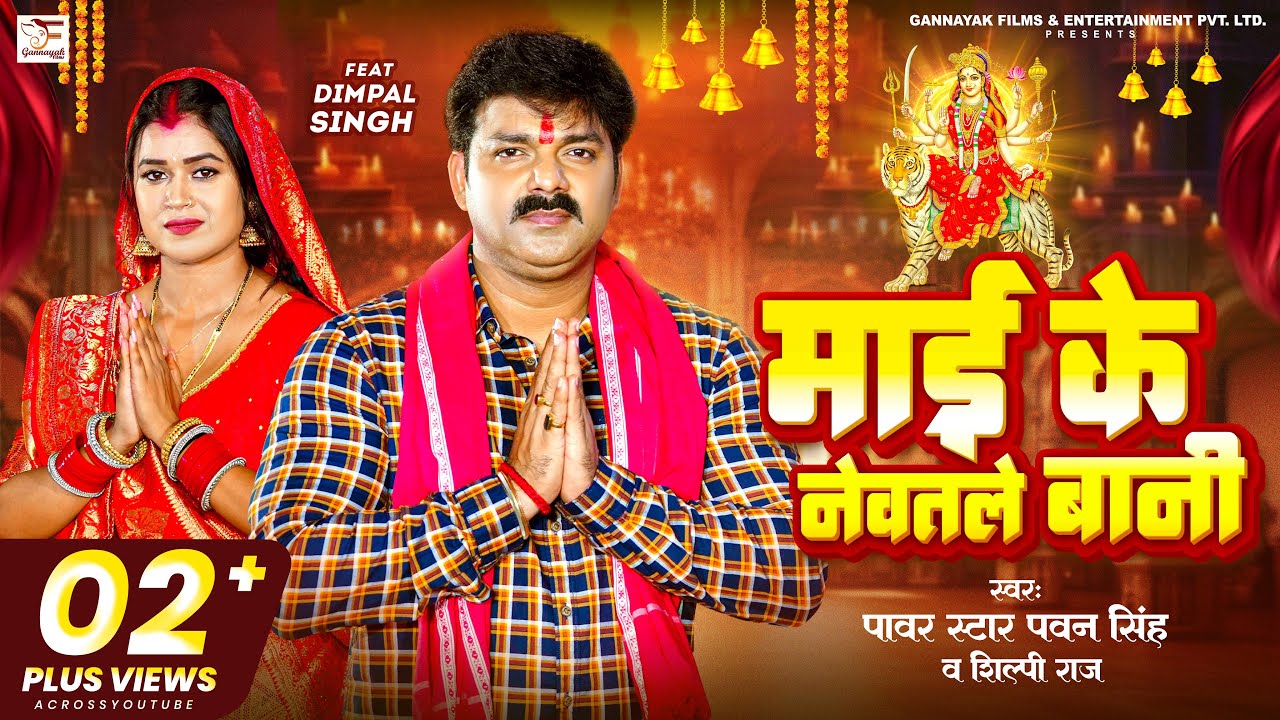
जय माँ ! जय जय माँ !
मईया के नेवतले बानी
बाकी हाथे से बानी सकेता
बड़ी दुविधा में परल बानी
केहू मंगलो पs कुछऊ ना देता
सुनी ना !
देहि पs के गहना गुरिया
बेच लाई भले ऐ राजा
की माई के सिंगार में ना
कमी कवनो खले ऐ राजा
की माई के सिंगार में ना
कमी कवनो खले ऐ राजा
खले ऐ राजा !
लाईब चूड़ी लहठी बाला
लाले रे कलर के
दुलरी दुलारी लगिहे
सज के सँवर के
ऐ धनि कुछ दोसर उपाय तू लगावs
ना तs नईहर से पईसा मंगावs
छोड़ी एगो काम करी !
बेचब ना जदि गिरवी
रखी आई तले ऐ राजा
की माई के सिंगार में ना
कमी कवनो खले ऐ राजा
की माई के सिंगार में ना
कमी कवनो खले ऐ राजा
खले ऐ राजा !
धई के सोना चाँदी का
होई ऐ सईया
भरल रही सब कुछ आ
उदास लगिहे मईया
ऐ हो समईया जस जस बीतल जाता
पवन के अकील जहुआता
काहे ?
लालू आकाश से ले लेब
उधार पईचा चले ऐ राजा
माई के सिंगार में ना
कमी कवनो खले ऐ राजा
की माई के सिंगार में ना
कमी कवनो खले ऐ राजा
खले ऐ राजा !
भोजपुरी भक्ति गीत का अर्थ हिंदी और English में
इस भोजपुरी गीत में माँ दुर्गा या देवी माँ के श्रृंगार, भक्ति, श्रद्धा और एक परिवार की आर्थिक मजबूरी का भावपूर्ण वर्णन है। गीत में एक पति-पत्नी के बीच बातचीत के माध्यम से बताया गया है कि वे माँ को निमंत्रण दे चुके हैं और अब चाहते हैं कि माँ के स्वागत और श्रृंगार में कोई कमी न रहे। लेकिन उनके पास पर्याप्त पैसे नहीं हैं।
गीत का मुख्य संदेश है कि सच्ची भक्ति केवल धन-दौलत में नहीं, बल्कि माँ के प्रति प्रेम, श्रद्धा, समर्पण और भावनाओं में होती है। फिर भी भक्त अपनी सामर्थ्य से बढ़कर माँ का श्रृंगार करने की इच्छा रखता है।
नीचे गीत की पंक्तियों का हिंदी और English में अर्थ, भावार्थ और सांस्कृतिक संदर्भ दिया गया है। यह अर्थ आपके दिए हुए गीत के आधार पर है; कुछ भोजपुरी शब्दों का भाव संदर्भ के अनुसार समझाया गया है।
1. शुरुआती पंक्तियाँ: माँ को निमंत्रण और आर्थिक परेशानी
मूल भोजपुरी:
“जय माँ! जय जय माँ!
मइया के नेवतले बानी बाकी हाथे से बानी सकेता बड़ी दुविधा में पड़ल बानी केहू मँगलो पऽ कुछऊ ना देता”
हिंदी में अर्थ
गीत की शुरुआत “जय माँ, जय जय माँ” के जयकारे से होती है। यह देवी माँ के प्रति श्रद्धा, आस्था और भक्ति को प्रकट करता है।
गायक कहता है कि उसने माँ को अपने घर या पूजा में आने के लिए निमंत्रण दिया है। लेकिन अब वह बड़ी परेशानी में है, क्योंकि माँ का स्वागत करने और उनके श्रृंगार की व्यवस्था करने के लिए उसके पास पर्याप्त पैसे नहीं हैं।
वह दूसरों से सहायता माँगने की स्थिति में भी है, लेकिन कोई उसकी मदद नहीं कर रहा। इस कारण उसके मन में चिंता और असमंजस पैदा हो गया है।
यहाँ “दुविधा” केवल पैसों की समस्या नहीं है। यह उस भक्त की भावनात्मक परेशानी भी है, जो माँ के लिए सब कुछ करना चाहता है, लेकिन अपनी आर्थिक सीमाओं के कारण असहाय महसूस करता है।
English Meaning
The song begins with the devotional chant, “Jai Maa! Jai Jai Maa!” expressing deep faith and reverence for the Divine Mother.
The singer explains that he has already invited the Mother Goddess to his home or religious celebration. However, he is now facing a serious financial difficulty. He wants to arrange a beautiful welcome and adorn the Goddess properly, but he does not have enough money.
He considers asking others for financial help, yet nobody seems willing to support him. This leaves him confused, worried, and emotionally distressed.
The difficulty described here is not merely financial. It also reflects the emotional struggle of a devotee who wants to offer everything to the Goddess but feels restricted by his circumstances.
2. “देहि पऽ के गहना गुरिया बेच लाई भले ऐ राजा”
हिंदी में अर्थ
इन पंक्तियों में पत्नी अपने पति से कहती है कि यदि माँ के श्रृंगार के लिए पैसे नहीं हैं, तो वह अपने शरीर पर पहने हुए गहने और आभूषण तक बेचने के लिए तैयार है।
यहाँ “गहना-गुरिया” का अर्थ गहने, आभूषण और सजने-सँवरने की वस्तुओं से है। “ऐ राजा” भोजपुरी लोकगीतों में पति को प्यार से संबोधित करने का तरीका है।
पत्नी का यह भाव बताता है कि उसके लिए माँ की सेवा और पूजा अपने निजी गहनों से भी अधिक महत्वपूर्ण है। वह अपने सुख और संपत्ति का त्याग करके भी देवी माँ का श्रृंगार पूरा करना चाहती है।
इसमें एक ओर निस्वार्थ भक्ति है, तो दूसरी ओर परिवार की आर्थिक कठिनाई का चित्रण भी है।
English Meaning
The wife tells her husband that, if necessary, she is willing to sell the jewelry she wears to arrange the Goddess's adornment.
The expression “gahana-guriya” refers to jewelry and personal ornaments, while “Ae Raja” is an affectionate Bhojpuri expression used to address one's husband.
Her willingness to part with her own possessions demonstrates how deeply she values the Goddess's worship. She places the Mother's honor and adornment above her personal comfort and material belongings.
The lines convey devotion, sacrifice, and the desire to fulfill a religious commitment despite financial hardship.
3. “माई के सिंगार में ना कमी कवनो खले ऐ राजा”
मूल भोजपुरी:
“की माई के सिंगार में ना कमी कवनो खले ऐ राजा की माई के सिंगार में ना कमी कवनो खले ऐ राजा”
हिंदी में अर्थ
पत्नी अपने पति से कहती है कि माँ के श्रृंगार में किसी भी प्रकार की कमी नहीं रहनी चाहिए। देवी माँ उनके लिए केवल पूजा की देवी नहीं हैं, बल्कि परिवार की आराध्य और सम्मानित माता हैं।
जिस प्रकार कोई व्यक्ति अपने घर में किसी प्रिय अतिथि का स्वागत पूरे प्रेम से करता है, उसी प्रकार भक्त चाहता है कि देवी माँ का स्वागत भी पूरे सम्मान और सुंदरता के साथ हो।
यहाँ “सिंगार” का अर्थ केवल आभूषण पहनाना नहीं है। इसमें देवी की मूर्ति को सजाना, सुंदर वस्त्र चढ़ाना, चूड़ियाँ पहनाना, फूल अर्पित करना और पूजा की अन्य तैयारियाँ करना भी शामिल हो सकता है।
English Meaning
The wife insists that there should be no shortage or imperfection in the Mother's adornment.
For the devotees, the Goddess is not simply a deity to be worshipped. She is regarded as a beloved mother who deserves the highest respect, affection, and care.
Just as people lovingly prepare their homes to welcome someone dear to them, the couple wants to ensure that the Goddess receives a beautiful and respectful welcome.
Here, adornment represents more than jewelry or decoration. It can include beautiful clothing, bangles, flowers, and other traditional offerings associated with devotional worship.
भावार्थ: माँ के प्रति प्रेम इतना गहरा है कि भक्त अपनी सीमित परिस्थितियों में भी उनके सम्मान में कोई कमी नहीं रखना चाहता।
4. “लाईब चूड़ी लहठी बाला, लाले रे कलर के”
मूल भोजपुरी:
“लाईब चूड़ी लहठी बाला लाले रे कलर के दुलरी दुलारी लगिहे सज के सँवर के”
हिंदी में अर्थ
इन पंक्तियों में पत्नी कहती है कि वह माँ के लिए लाल रंग की चूड़ियाँ, लहठी और बाला लेकर आएगी। इन्हें पहनकर और सजकर माँ बहुत सुंदर दिखाई देंगी।
भोजपुरी और उत्तर भारतीय परंपराओं में लाल रंग को शुभता, उत्सव, शक्ति और सौभाग्य से जोड़ा जाता है। देवी माँ को लाल चुनरी, लाल वस्त्र, चूड़ियाँ और फूल अर्पित करना भी कई पूजा परंपराओं में प्रचलित है।
“दुलरी दुलारी” शब्दों में प्रेम और अपनापन झलकता है। पत्नी माँ को ऐसे देखना चाहती है, जैसे कोई अपने घर की सबसे प्यारी सदस्य को सुंदर कपड़ों और आभूषणों से सजाता है।
English Meaning
The wife promises to bring red bangles, traditional lacquer bangles, and bracelets for the Goddess.
She imagines the Mother looking especially beautiful after being dressed and adorned with these offerings.
In many North Indian devotional traditions, red symbolizes auspiciousness, celebration, strength, and good fortune. Red clothing, bangles, and other ornaments are commonly associated with the worship of the Goddess, although specific customs vary by region.
The affectionate expression “dulri-dulari” conveys tenderness and love. The wife imagines decorating the Goddess with the same affection that someone might show toward a beloved member of the family.
भावार्थ: भक्त के लिए माँ का श्रृंगार केवल धार्मिक रस्म नहीं, बल्कि अपने प्रेम को व्यक्त करने का माध्यम है।
5. “ऐ धनि कुछ दोसर उपाय तू लगावऽ”
मूल भोजपुरी:
“ऐ धनि कुछ दोसर उपाय तू लगावऽ ना तऽ नईहर से पईसा मंगावऽ”
हिंदी में अर्थ
अब पत्नी अपने पति से कहती है कि कोई दूसरा उपाय सोचो। यदि किसी अन्य तरीके से पैसों की व्यवस्था नहीं हो सकती, तो वह अपने मायके से पैसे मँगवाने का सुझाव देती है।
“नईहर” का अर्थ मायका होता है। भोजपुरी समाज में मायका स्त्री के भावनात्मक और पारिवारिक संबंधों का महत्वपूर्ण हिस्सा माना जाता है।
इन पंक्तियों में पत्नी केवल चिंता व्यक्त नहीं कर रही, बल्कि समस्या का समाधान भी खोज रही है। वह चाहती है कि माँ के श्रृंगार की तैयारी किसी भी तरह पूरी हो जाए।
यहाँ दांपत्य जीवन की साझेदारी दिखाई देती है। आर्थिक परेशानी पति की हो या पत्नी की, दोनों मिलकर उसका समाधान ढूँढ़ने की कोशिश कर रहे हैं।
English Meaning
The wife asks her husband to think of another solution. If they cannot arrange the money through other means, she suggests requesting financial assistance from her parental home.
The Bhojpuri word “naihar” means a woman's parental home, which often holds deep emotional and familial significance.
These lines reveal the wife's practical approach to the problem. She is not merely expressing worry; she is actively suggesting ways to arrange the money needed for the Goddess's adornment.
The passage also reflects partnership within marriage. Even during financial hardship, the couple discusses possible solutions and works together toward a shared devotional goal.
6. “छोड़ी एगो काम करी, बेचब ना जदि गिरवी”
मूल भोजपुरी:
“छोड़ी एगो काम करी बेचब ना जदि गिरवी रखी आई तले ऐ राजा”
हिंदी में अर्थ
इन पंक्तियों में पत्नी एक और रास्ता सुझाती है। यदि गहने बेचना उचित नहीं लगता, तो उन्हें गिरवी रखकर पैसे जुटाए जा सकते हैं।
बेचने और गिरवी रखने में अंतर है। किसी वस्तु को बेच देने पर सामान्यतः उसका स्वामित्व चला जाता है, जबकि गिरवी रखने पर शर्तों के अनुसार पैसे वापस करके उसे छुड़ाने की संभावना रहती है।
गीत में पत्नी की बेचैनी स्पष्ट है। वह चाहती है कि किसी भी तरह माँ की पूजा और श्रृंगार की व्यवस्था हो जाए।
हालाँकि, गीत में यह सुझाव भावनात्मक समर्पण को दिखाने के लिए आया है। वास्तविक जीवन में आवश्यक वस्तुओं या परिवार की आर्थिक सुरक्षा को जोखिम में डालना जरूरी नहीं है; पूजा अपनी सामर्थ्य के अनुसार भी की जा सकती है।
English Meaning
The wife proposes another possible solution. If selling the jewelry is not desirable, they could pledge it temporarily to obtain the necessary money.
Selling an item generally means giving up ownership, whereas pledging it may allow the owner to recover it after repaying the amount under the agreed terms.
Her suggestion demonstrates how determined she is to arrange the Goddess's adornment. She continues searching for alternatives rather than abandoning the religious celebration.
At the same time, the scene should be understood as an expression of devotion in a song, not as a requirement that people risk their financial security to worship.
7. “धई के सोना चाँदी का, होई ऐ सईया”
मूल भोजपुरी:
“धई के सोना चाँदी का होई ऐ सईया भरल रही सब कुछ आ उदास लगिहे मईया”
हिंदी में अर्थ
यहाँ पत्नी या गीत का पात्र सोने-चाँदी के आभूषणों की बात करता है। भाव यह है कि यदि माँ का श्रृंगार सुंदर और पूर्ण हो, तो उन्हें देखकर मन प्रसन्न होगा। इसके विपरीत, अधूरे श्रृंगार की कल्पना से भक्त को लगता है कि माँ उदास दिखाई देंगी।
यह देवी के प्रति मानवीय भावनाओं का सुंदर उदाहरण है। भक्त अपनी माँ को प्रसन्न देखना चाहता है और अपनी भक्ति को सजावट, वस्त्रों तथा आभूषणों के माध्यम से व्यक्त करता है।
वास्तव में देवी माँ के उदास होने का दावा करने के बजाय इन पंक्तियों को भक्त की अपनी भावनात्मक कल्पना के रूप में समझना उचित है। वह माँ के लिए इतना प्रेम महसूस करता है कि उनकी मूर्ति का श्रृंगार भी उसके लिए अत्यंत महत्वपूर्ण बन जाता है।
English Meaning
These lines refer to gold and silver ornaments and the desire to make the Goddess's adornment beautiful and complete.
The devotee imagines that a fully decorated Goddess would appear radiant and pleasing, whereas an incomplete adornment makes the devotee feel that something is missing.
This is an example of anthropomorphism in devotional expression: human emotions are used to communicate a personal relationship with the divine.
The devotee imagines the Mother as someone whose happiness matters deeply. Through clothing and ornaments, the worshipper seeks to express love, respect, and emotional closeness.
Rather than taking the idea of the Goddess being sad literally, the passage can be understood as a reflection of the devotee's own longing to offer something beautiful.
8. “ऐ हो समईया जस जस बीतल जाता”
मूल भोजपुरी:
“ऐ हो समईया जस जस बीतल जाता पवन के अकील जहुआता”
हिंदी में अर्थ
इन पंक्तियों में समय बीतने के साथ बढ़ती चिंता और बेचैनी का भाव दिखाई देता है। पूजा या उत्सव का समय नजदीक आता जा रहा है, लेकिन आवश्यक तैयारियों के लिए धन की व्यवस्था अभी तक नहीं हुई है।
गीत में प्रयुक्त कुछ शब्द स्थानीय भोजपुरी उच्चारण या लिखावट के कारण अस्पष्ट हो सकते हैं। इसलिए दूसरी पंक्ति का सटीक शाब्दिक अर्थ निश्चित रूप से बताना कठिन है। फिर भी आसपास की पंक्तियों से समय के दबाव और परेशानी का भाव समझ में आता है।
यह परिस्थिति उन लोगों की भावनाओं से जुड़ती है जो किसी धार्मिक आयोजन की तैयारी करना चाहते हैं, लेकिन सीमित साधनों के कारण अंतिम समय तक चिंतित रहते हैं।
English Meaning
These lines convey growing anxiety as time passes. The occasion is approaching, but the couple has still not secured enough money to complete the preparations.
Some words in the second line may reflect regional pronunciation or spelling variations, making an exact literal translation uncertain. However, the surrounding verses suggest a sense of urgency, emotional pressure, and concern over unfinished arrangements.
The scene reflects a familiar human experience: wanting to prepare for an important celebration while struggling with limited resources and a looming deadline.
9. “लालू आकाश से ले लेब उधार पईचा”
मूल भोजपुरी:
“काहे?
लालू आकाश से ले लेब उधार पईचा चले ऐ राजा”
हिंदी में अर्थ
इन पंक्तियों में धन की व्यवस्था करने की कोशिश को अतिशयोक्तिपूर्ण और भावनात्मक अंदाज में व्यक्त किया गया है। पात्र कहता है कि किसी तरह उधार लेकर भी माँ के श्रृंगार की तैयारी पूरी कर ली जाएगी।
“उधार” का अर्थ है किसी से पैसे या वस्तु लेकर बाद में लौटाने का वादा करना। “पईचा” जैसे क्षेत्रीय शब्दों का अर्थ संदर्भ और स्थानीय बोली के अनुसार बदल सकता है।
गीत का मुख्य भाव यह है कि भक्त माँ के स्वागत के लिए हर संभव रास्ता खोज रहा है। वह हार मानने को तैयार नहीं है, भले ही उसके सामने आर्थिक परेशानी हो।
यहाँ गीत की भावनात्मक तीव्रता अपने चरम पर पहुँचती है। माँ के प्रति प्रेम और श्रद्धा पात्र को लगातार समाधान खोजने के लिए प्रेरित करते हैं।
English Meaning
These lines portray a determined attempt to arrange money, even if borrowing becomes necessary.
The word “udhaar” means borrowing money or goods with an obligation to repay them later. Some regional wording in this passage may have more than one interpretation, so its exact literal meaning depends on the intended pronunciation.
The central idea is clear: the devotee is unwilling to give up on the Goddess's welcome and keeps searching for ways to complete the preparations.
The emotional intensity of the song reaches a high point here. Faith, love, and the desire to honor the Mother encourage the characters to continue looking for a solution despite their financial difficulties.
10. गीत का समग्र संदेश और आध्यात्मिक महत्व
हिंदी में भावार्थ
पूरे गीत में एक भक्त परिवार की आर्थिक कठिनाइयों और देवी माँ के प्रति उसकी अटूट श्रद्धा को दर्शाया गया है। पति-पत्नी चाहते हैं कि माँ के श्रृंगार में कोई कमी न रहे। इसके लिए वे गहने बेचने, गिरवी रखने, मायके से पैसे मँगाने और उधार लेने जैसे उपायों पर विचार करते हैं।
गीत की सबसे महत्वपूर्ण विशेषता यह है कि माँ को परिवार के सदस्य की तरह माना गया है। जिस प्रकार कोई अपने प्रिय व्यक्ति के स्वागत के लिए सुंदर वस्त्र और उपहार जुटाता है, उसी प्रकार भक्त देवी माँ के लिए चूड़ियाँ, आभूषण और अन्य श्रृंगार की सामग्री जुटाना चाहता है।
लेकिन इस गीत का आध्यात्मिक संदेश केवल भव्य श्रृंगार तक सीमित नहीं होना चाहिए। भक्ति का वास्तविक आधार मन की पवित्रता, प्रेम, सेवा और श्रद्धा है। आर्थिक रूप से कमजोर व्यक्ति भी फूल, जल, दीपक, प्रार्थना या केवल सच्चे मन से माँ की पूजा कर सकता है।
इसलिए गीत को भक्त के प्रेम और त्याग की अभिव्यक्ति के रूप में समझना सबसे उचित है। यह हमें बताता है कि धार्मिक आयोजनों का भावनात्मक महत्व बहुत गहरा हो सकता है और परिवार के सदस्य एक साझा उद्देश्य के लिए मिलकर प्रयास कर सकते हैं।
Overall Meaning in English
The song portrays a devotee's family struggling financially while preparing to welcome and adorn the Mother Goddess.
The husband and wife consider several ways to arrange the necessary money, including selling jewelry, pledging ornaments, requesting help from relatives, or borrowing funds. Their determination reflects how deeply they value the Goddess and the religious celebration.
One of the song's most touching features is its portrayal of the Goddess as a beloved member of the family. The couple wants to welcome her with beautiful ornaments and traditional decorations, just as people prepare lovingly for someone they hold dear.
However, the deeper spiritual meaning goes beyond material offerings. Genuine devotion is expressed through sincerity, compassion, prayer, service, and love. People do not need expensive jewelry or elaborate decorations to demonstrate faith.
A simple offering made with a sincere heart can also hold profound personal and spiritual significance. The song ultimately celebrates devotion, sacrifice, family cooperation, and the emotional bond between worshippers and the Divine Mother.
निष्कर्ष | Conclusion
हिंदी: इस भोजपुरी भक्ति गीत में माँ के श्रृंगार की चिंता के माध्यम से भक्त के प्रेम, समर्पण और आर्थिक मजबूरी को व्यक्त किया गया है। पति-पत्नी की बातचीत हमें बताती है कि वे अपनी सीमित परिस्थितियों के बावजूद माँ के स्वागत में कोई कमी नहीं रखना चाहते। गीत की असली खूबसूरती उनकी श्रद्धा और भावनात्मक जुड़ाव में है।
English: This Bhojpuri devotional song expresses the devotee's love, sacrifice, and financial struggles through the desire to adorn the Mother Goddess. The couple's conversation reveals their determination to welcome the Goddess with dignity despite their limited means. Ultimately, the song celebrates faith, family unity, and the heartfelt desire to honor the Divine Mother.


Write a comment