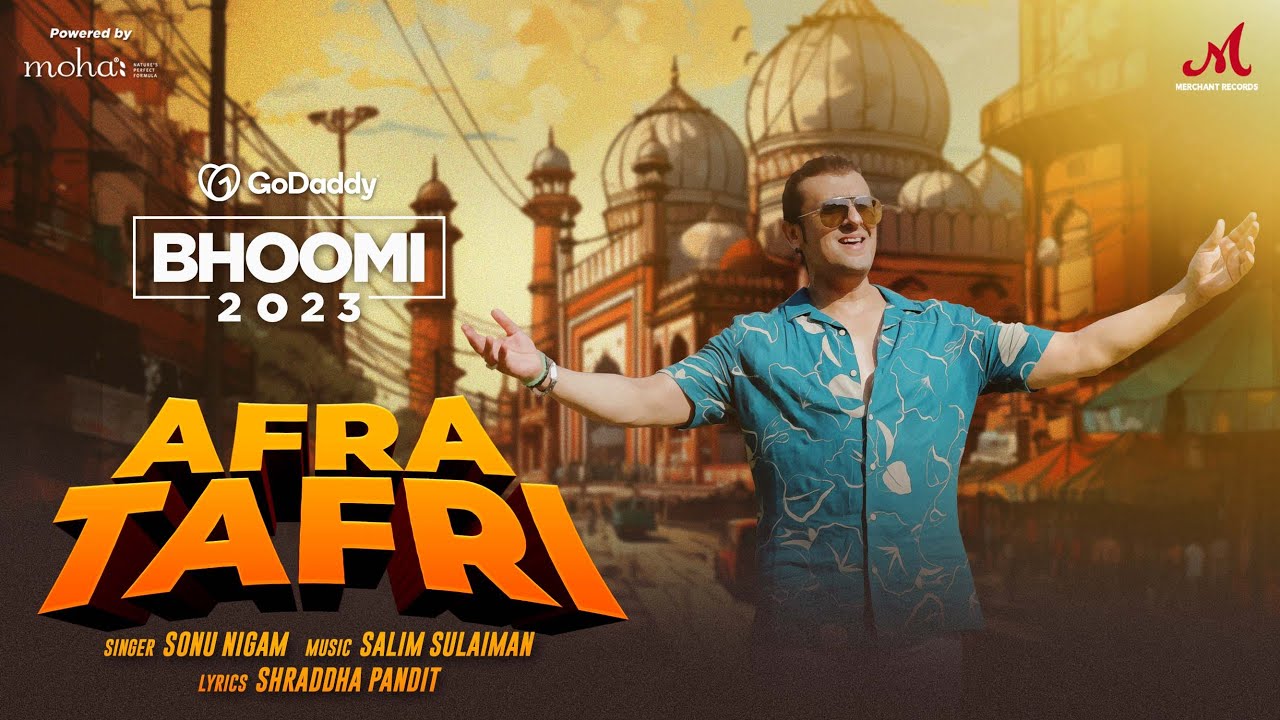
Lelo savaari bhaiyaa, halki ho ya bhaari
Majnu ke teele se rajouri tak jaari
Tann Mein Duniya Ghoome,
Mann mera Dilli me
Kaisi fitoori sar chadhi,
Tappti dopaharein dekhi
Raatein kabhi chilly ve
Ya dar pe bijli aa giri
Kabhi ishq se raazi
Kabhi bandi baazi
Mann marzi zara si, sab karein
Baatein khurafati,
Isse samajh ni aati
Aur ye jazbaati dil phire
Afra Tafri Mein
Ab aadat si ho gaiyaan
Mera dil dilli le gaiyaan
Afra Tafri Mein
Ab aadat si ho gaiyaan
Mera dil dilli le gaiyaan
Suno janaab ye,
Dilli hai
Miro Ghaalib ki
Yahan tumse ooncha koi dooja
Mil hi jaayega, Mil hi jaayega
Lelo savaari bhaiyaa, halki ho ya bhaari
Majnu ke teele se rajouri tak jaari
Hauz khas di galiyaan
Hove rang raliyaan
Nach nach saari raati na thake
Mercedes ch gedi
Chole kulche di redi
Din raat sheher ye na ruke
Afra Tafri Mein
Ab aadat si ho gaiyaan
Mera dil dilli le gaiyaan
Tann Mein Duniya Ghoome,
Mann mera Dilli me
Kaisi fitoori sar chadhi,
Tappti dopaharein dekhi
Raatein kabhi chilly ve
Zinda lage zindagi
Afra Tafri Mein
Tafri Mein
Ab aadat si ho gaiyaan, gaiyaan
Ab aadat si ho gaiyaan
Mera dil dilli le gaiyaan
Lyrics Meaning In English
Here’s the English meaning of the lyrics, keeping the original’s playful, chaotic, emotional Delhi vibe rather than translating every word literally.
Overall meaning
The song is a lively love letter to Delhi and its unpredictable lifestyle. The singer describes travelling across the city, from Majnu Ka Tila to Rajouri, experiencing its scorching afternoons, chilly nights, crowded streets, parties, food, romance, arguments, and endless hustle.
Despite all the afra-tafri (chaos and commotion), the singer has become so used to Delhi that the city has completely captured their heart.
Verse-by-verse meaning
“Lelo savaari bhaiyaa, halki ho ya bhaari
Majnu ke teele se Rajouri tak jaari”
“Take me along, brother, whether the journey is short or heavy.
The ride goes from Majnu Ka Tila all the way to Rajouri.”
It sounds like someone talking to an auto/taxi driver, capturing the everyday Delhi experience and its constant movement.
“Tann mein duniya ghoome, mann mera Dilli mein”
“My body may travel around the world, but my heart remains in Delhi.”
This is one of the song’s central emotions: no matter where the person goes, Delhi still feels like home.
“Kaisi fitoori sar chadhi, tappti dopaharein dekhi
Raatein kabhi chilly ve, ya dar pe bijli aa giri”
“What a crazy obsession has taken over me.
I’ve experienced scorching afternoons and sometimes freezing nights,
and moments when it feels like lightning has struck right at my doorstep.”
Delhi is portrayed as a city of extreme experiences and unpredictable energy.
“Kabhi ishq se raazi, kabhi bandi baazi
Mann marzi zara si, sab karein”
“Sometimes I’m happy with love, sometimes caught up in relationships and flirting.
Sometimes I just want to do whatever my heart desires.”
The singer embraces Delhi’s youthful, romantic and carefree culture.
“Baatein khurafati, isse samajh ni aati
Aur ye jazbaati dil phire afra-tafri mein”
“My thoughts are mischievous and difficult to understand,
and this emotional heart keeps wandering through all this chaos.”
The person is basically saying: my mind and heart are as chaotic as Delhi itself.
“Afra Tafri Mein…”
“Ab aadat si ho gaiyaan
Mera dil Dilli le gaiyaan”
“Now I’ve become accustomed to all this chaos.
Delhi has taken my heart away.”
This is the main hook of the song.
Afra-tafri means chaos, hustle, confusion and nonstop activity. Instead of complaining about it, the singer has fallen in love with it.
The Ghalib reference
“Suno janaab ye Dilli hai, Mir-o-Ghalib ki
Yahan tumse ooncha koi dooja mil hi jaayega”
“Listen, sir, this is Delhi — the Delhi of Mir and Ghalib.
Here, you’ll always find someone who can match or surpass you.”
Mir and Ghalib refer to the legendary Urdu poets Mir Taqi Mir and Mirza Ghalib, connecting modern Delhi with its rich literary and cultural heritage.
The line also carries a playful Delhi attitude: Delhi has big personalities everywhere, so don’t assume you’re the smartest or most impressive person in town.
Delhi’s nightlife and food
“Hauz Khas di galiyaan, hove rang raliyaan
Nach nach saari raati na thake”
“In the lanes of Hauz Khas, there are celebrations and festivities.
People dance all night without getting tired.”
It portrays Hauz Khas as a place of nightlife, friends, music and youthful fun.
“Mercedes ch gedi, chole kulche di redi
Din raat sheher ye na ruke”
“Take a ride around in a Mercedes,
or stop at a roadside cart selling chole-kulche.
This city never stops, day or night.”
This is a particularly Delhi-like contrast: luxury cars on one side and street food on the other. Both belong to the same city.
Final feeling
“Zinda lage zindagi”
“Life feels truly alive.”
That line captures the entire song.
Delhi may be hot, cold, crowded, chaotic, romantic, frustrating and exhausting—but it makes life feel alive.
In simple English
The song is essentially saying:
“Delhi is chaotic, crazy and unpredictable, but I’ve fallen completely in love with it. I’ve experienced its heat, cold nights, romance, parties, food, traffic, streets and nonstop energy. Whether I’m riding from Majnu Ka Tila to Rajouri or partying in Hauz Khas, this city keeps me moving. I’ve become so used to its chaos that I can’t imagine myself without it. Wherever my body may travel, my heart belongs to Delhi.”
So “Mera dil Dilli le gaiyaan” means more than simply “Delhi took my heart.” It expresses the feeling of becoming emotionally attached to Delhi and its unique, chaotic way of life.
लेलो सवारी भैया,हलकी हो या भारी
मजनू के तेल से राजौरी तक जारी
तन्न में दुनिया घूमे
मैं मेरा दिल्ली में
कैसी फितूरी सर चढ़ी
तप्पति दोपहरें देखि
रातें कभी चिल्ली वे
या दर पे बिजली आ गिरी
कभी इश्क़ से राज़ी
कभी बंदी बाज़ी
मैं मर्ज़ी ज़रासी ,सब करें
बातें खुराफाती
इससे समझ नई आती
और ये जज़्बाती दिल फिर
अफरा तफरी मं
अब आदत सी हो गइयाँ
मेरा दिल दिल्ली ले गइयाँ
अफरा तफरी मं
अब आदत सी हो गइयाँ
मेरा दिल दिल्ली ले गइयाँ
सुनो जनाब ये दिल्ली है
मिरो ग़ालिब की
यहाँ तुमसे ऊंचा कोई दूजा
मिल ही जायगा मिल ही जाएगा
लेलो सवारी भैया,हलकी हो या भारी
मजनू के तेल से राजौरी तक जारी
हौज़ खास दी गालियां
होव रंग रैलियां
नाच नाच साड़ी राति न थके
मेरसेदेज़ च गेड़ी
छोले कुलचे दी रेडी
दिन रात शहर ये न रुके
अफरा तफरी मं
अब आदत सी हो गइयाँ
मेरा दिल दिल्ली ले गइयाँ
तन्न में दुनिया घूमे
मैं मेरा दिल्ली में
कैसी फितूरी सर चढ़ी
तप्पति दोपहरें देखि
रातें कभी चिल्ली वे
ज़िंदा लगे ज़िन्दगी
अफरा तफरी में तफरी में
अब आदत सी हो गइयाँ , गइयाँ
अब आदत सी हो गइयाँ
मेरा दिल दिल्ली ले गइयाँ
Lyrics Meaning In Hindi
इन पंक्तियों का भावार्थ दिल्ली शहर की तेज़, रंगीन, बेफ़िक्र और थोड़ी-सी अराजक ज़िंदगी से प्रेम को व्यक्त करता है। गीत में दिल्ली को सिर्फ़ एक शहर नहीं, बल्कि ऐसी जगह के रूप में दिखाया गया है जहाँ हर तरह के लोग, रंग, शोर, इश्क़ और मस्ती साथ-साथ चलते हैं।
गीत का सरल हिंदी अर्थ
“लेलो सवारी भैया, हल्की हो या भारी
मजनू के तेल से राजौरी तक जारी”
यहाँ दिल्ली की सड़कों और सवारी वाले जीवन का मज़ेदार चित्रण है। हल्की हो या भारी, सवारी चलती रहती है। “मजनू का टीला” से “राजौरी” जैसे इलाकों का ज़िक्र दिल्ली के अलग-अलग रंगों और जगहों को दर्शाता है।
“तन में दुनिया घूमे, मैं मेरा दिल्ली में
कैसी फितूरी सर चढ़ी”
दुनिया कहीं भी घूम रही हो, गायक का मन दिल्ली में ही लगा हुआ है। दिल्ली की ऐसी धुन सवार हो गई है कि उससे निकलना मुश्किल है।
“तपती दोपहरें देखीं, रातें कभी चिल्ली वे
या दर पे बिजली आ गिरी”
दिल्ली की गर्मी, उसकी रातों की चहल-पहल और अचानक आने वाले रोमांच—ज़िंदगी यहाँ कभी शांत नहीं रहती। हर दिन कुछ नया और अप्रत्याशित हो सकता है।
“कभी इश्क़ से राज़ी, कभी बंदी बाज़ी
मैं मर्ज़ी ज़रा सी, सब करें बातें ख़ुराफ़ाती”
कभी प्यार में डूबना, कभी अपनी मनमानी करना और कभी दोस्तों के साथ शरारतें—दिल्ली की ज़िंदगी में हर तरह के अनुभव हैं। लोग खुलकर बातें करते हैं और मस्ती करते हैं।
“इससे समझ नई आती
और ये जज़्बाती दिल फिर अफ़रा-तफ़री में”
इतने सारे अनुभव और भावनाएँ हैं कि दिल और दिमाग दोनों उलझ जाते हैं। ज़िंदगी व्यवस्थित कम और रोमांचक ज़्यादा लगती है।
“अब आदत सी हो गईयाँ, मेरा दिल दिल्ली ले गईयाँ”
यह गीत की सबसे महत्वपूर्ण भावना है।
इसका मतलब है:
“अब मुझे दिल्ली की इस भागदौड़, शोर, मस्ती और रंगीन ज़िंदगी की आदत हो गई है। मेरा दिल पूरी तरह दिल्ली का होकर रह गया है।”
यहाँ “अफ़रा-तफ़री” नकारात्मक अर्थ में ही नहीं है। यह दिल्ली की तेज़ रफ़्तार, भीड़, ट्रैफिक, आवाज़ों, लोगों और लगातार चलती ज़िंदगी का प्रतीक भी है।
“सुनो जनाब, ये दिल्ली है, मीर-ओ-ग़ालिब की”
इस पंक्ति में दिल्ली की साहित्यिक और सांस्कृतिक विरासत की ओर इशारा है। मीर और ग़ालिब जैसे महान शायरों ने दिल्ली की तहज़ीब और भाषा को गहराई से प्रभावित किया।
“यहाँ तुमसे ऊँचा कोई दूजा मिल ही जाएगा”
इसका भाव है कि दिल्ली में हर तरह के प्रतिभाशाली, प्रभावशाली और अलग-अलग व्यक्तित्व वाले लोग मिलते हैं। यहाँ कोई व्यक्ति कितना भी बड़ा क्यों न हो, उससे भी अलग या बेहतर कोई मिल सकता है।
“हौज़ खास दी गलियाँ, होव रंग रैलियाँ”
हौज़ खास की गलियों में घूमना, दोस्तों के साथ मौज-मस्ती करना और रातों को रंगीन बनाना—यह दिल्ली के आधुनिक और युवा अंदाज़ को दिखाता है।
“नाच नाच सारी रात न थके”
दिल्ली की नाइटलाइफ़ और लोगों की ऊर्जा का चित्रण है। यहाँ मनोरंजन और उत्साह देर रात तक चलता रहता है।
“मर्सिडीज़ ’च गेड़ी, छोले-कुलचे दी रेहड़ी”
यह पंक्ति दिल्ली के विरोधाभास और विविधता को बहुत खूबसूरती से दिखाती है।
एक तरफ़ महंगी Mercedes में घूमने वाले लोग हैं, तो दूसरी तरफ़ सड़क किनारे छोले-कुलचे की रेहड़ी है। यानी दिल्ली में अमीर-गरीब, आधुनिकता और देसीपन, लग्ज़री और स्ट्रीट फूड—सब एक ही शहर में साथ दिखाई देते हैं।
“दिन रात शहर ये न रुके”
दिल्ली को एक ऐसे शहर के रूप में दिखाया गया है जो लगातार चलता रहता है। दिन हो या रात, इसकी रफ़्तार और गतिविधियाँ थमती नहीं हैं।
पूरे गीत का सार
यह गीत मूल रूप से दिल्ली के प्रति लगाव और उसकी जीवनशैली के नशे की कहानी है।
गीतकार कहता है कि दिल्ली में गर्मी है, भीड़ है, शोर है, ट्रैफिक है, भागदौड़ है, प्यार है, दोस्ती है, शरारत है, रातों की मस्ती है और हर तरह के लोग हैं। फिर भी इसी अफ़रा-तफ़री में उसे ज़िंदगी की असली रंगीनियत महसूस होती है।
“मेरा दिल दिल्ली ले गईयाँ” का गहरा भाव यही है कि:
दिल्ली की भागदौड़ अब परेशानी नहीं लगती; वही उसकी ज़िंदगी का हिस्सा और उसकी आदत बन गई है।
यानी यह गीत दिल्ली की अव्यवस्थित लेकिन जीवंत, विरोधाभासी लेकिन आकर्षक और तेज़ लेकिन दिलदार ज़िंदगी को सेलिब्रेट करता है।

Write a comment